Office Storage Buying Guide Choose Office Storage That Keeps Workspaces Clean, Secure, and Easy to Use Good office storage is not just about hiding clutter. The right file cabinets, storage cabinets, bookcases, and executive file cabinets help organize documents, protect important records, reduce desktop mess, and make everyday work easier. This guide explains how to choose office storage by document type, available space, privacy needs, file size, mobility, storage capacity, and office style. Need File Organization? Start with vertical, lateral, or office file cabinets for documents and records. Need More Privacy? Locking file cabinets help protect sensitive documents and personal items. Need Display + Storage? Bookcases and storage cabinets help organize supplies, binders, books, and office décor. Browse File Cabinets
How to Choose Office Storage and File Cabinets for a More Organized Workspace
Office storage is one of the easiest ways to make a workspace feel cleaner, more professional, and easier to use. A good storage system keeps documents, supplies, binders, books, personal items, and daily work materials organized instead of scattered across desks, shelves, boxes, and corners.
The best office storage is not always the largest cabinet. It should match what you actually store, how often you need access, whether documents need privacy, how much floor space you have, and how the storage piece fits with the rest of your office furniture.
Know What You Store
Separate files, binders, books, supplies, equipment, samples, and personal items before choosing storage.
Match the Room
Use vertical cabinets for narrow spaces, lateral cabinets for wider walls, and mobile cabinets for flexible setups.
Consider Locking Storage
Choose lockable cabinets for sensitive files, HR documents, client records, and private office items.
Keep It Professional
Storage should reduce clutter while matching the office style, desk finish, and room layout.
Quick Answer: What Type of Office Storage Do You Need?
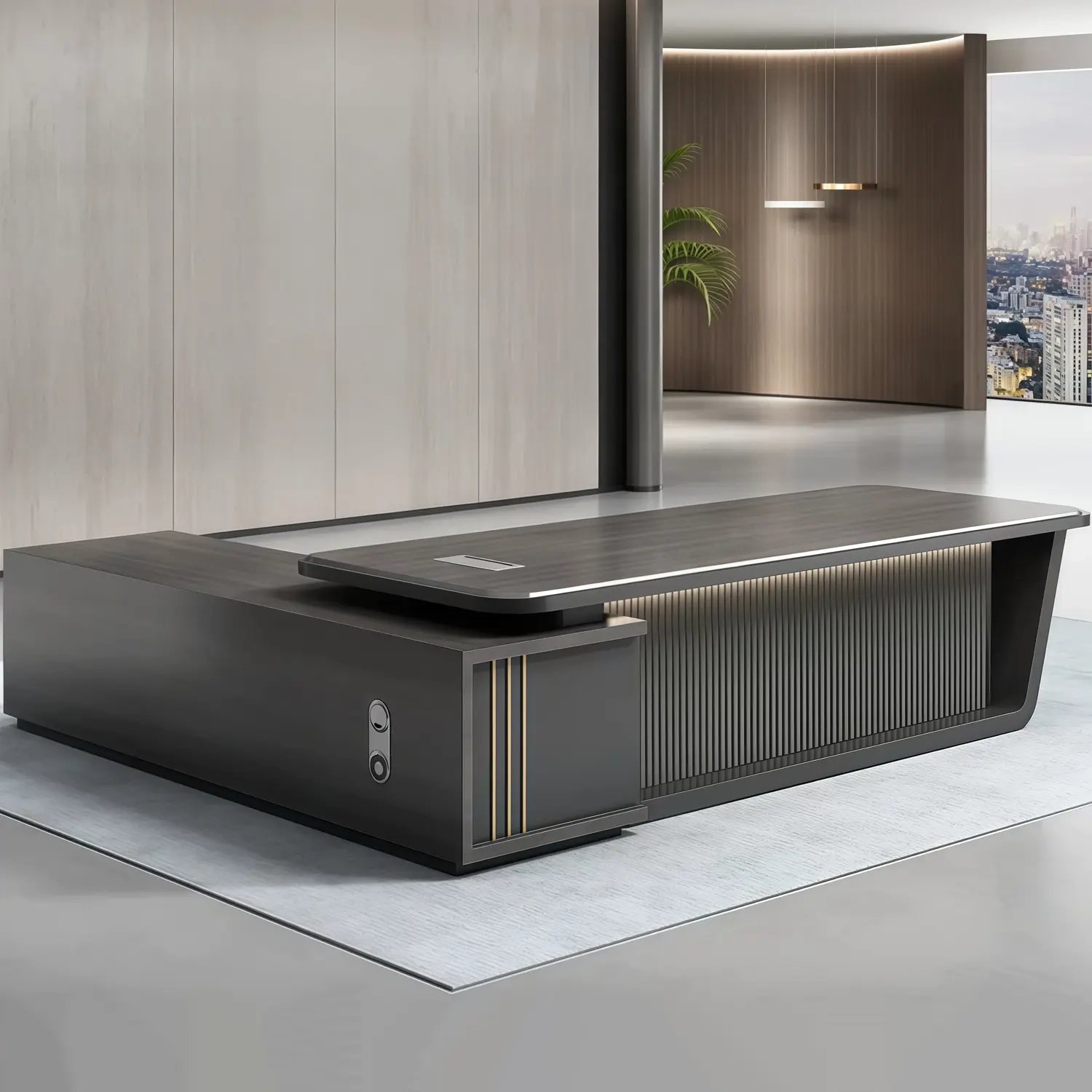
Choose office storage based on what you need to organize. Use file cabinets for documents, locking file cabinets for sensitive records, storage cabinets for supplies and equipment, bookcases for books and display, mobile file cabinets for flexible desk-side access, and executive file cabinets for private offices that need storage with a more polished appearance.
Simple rule: if the item is used daily, keep it close. If it is used weekly, store it nearby. If it is rarely used, it does not need to occupy your main desk or front-facing office area.
Jump to What You Need
1. Compare Office Storage Types
Different storage pieces solve different problems. A file cabinet is not the same as a storage cabinet, and a bookcase is not the same as an executive file cabinet. Before choosing a piece, decide whether you are mainly storing documents, office supplies, binders, books, equipment, or private records.
If you are still browsing, start with file cabinets, then narrow your choice by layout, privacy, mobility, and office style.
| Storage Type | Best For | Main Advantage | Best Internal Link |
|---|---|---|---|
| Vertical File Cabinet | Narrow spaces, personal offices, document filing | Uses less wall width and stores files in a compact footprint | Vertical File Cabinets |
| Lateral File Cabinet | Wider office walls, shared filing areas, larger document storage | Offers wider drawers and easier side-to-side file access | Lateral File Cabinets |
| Locking File Cabinet | Sensitive documents, HR files, client records, private offices | Adds privacy and helps reduce casual access to important papers | Locking File Cabinets |
| Mobile File Cabinet | Desk-side storage, flexible offices, home offices | Easy to move and keep close to the main work area | Mobile File Cabinets |
| Storage Cabinet | Supplies, binders, equipment, office inventory | Handles mixed storage beyond standard hanging files | Storage Cabinets |
| Bookcase | Books, binders, décor, display storage, private offices | Combines organization with a more finished office look | Bookcases |
| Executive File Cabinet | Executive offices, manager offices, client-facing rooms | Provides storage while matching a more polished office design | Executive File Cabinets |
2. Choose the Right File Cabinet for Your Documents
File cabinets are best when your main problem is document organization. If papers are stored in boxes, desk piles, bags, drawers, or random folders, a proper file cabinet can make documents easier to find and easier to maintain over time.
Start by deciding how much paper you actually need to keep. Some documents can be scanned, archived, or discarded according to your company’s record policy. The National Archives provides records management guidance and file plan resources for organizations that need a more formal system. You can review their records management guidance here: NARA Records Management Guidance.
For Narrow Rooms
Choose a vertical file cabinet when you need document storage but have limited wall width.
For More File Access
Choose a lateral file cabinet when you have wider wall space and want broader drawer access.
For Desk-Side Use
Choose a mobile file cabinet when you want files, supplies, and personal items close to your desk.
For general office paperwork, browse office file cabinets. For home workspaces, home office file cabinets can help keep important documents organized without making the room feel too corporate.
3. Decide Whether You Need Locking Storage
Not every office cabinet needs a lock, but locking storage is useful when documents include private, financial, client, employee, legal, or business-sensitive information. It is also helpful in shared offices, reception areas, open workspaces, and home offices where documents should not be casually accessible.
Locking file cabinets can help organize sensitive paperwork while keeping the office cleaner and more professional. A lock does not replace a full security policy, but it can be an important part of everyday document control.
Privacy Tip
Use locking storage for documents you would not want left on a desk overnight, visible during client visits, or accessible in a shared workspace.
4. Match Storage to the Room Layout
The best cabinet is the one that fits the room and supports the way people move through it. A tall cabinet may provide more storage, but it can overwhelm a small office if placed near the entrance. A wide lateral cabinet may look polished along a wall, but it needs enough space for drawers to open fully.
| Room Situation | Better Storage Choice | Why It Works |
|---|---|---|
| Narrow office wall | Vertical file cabinet | Uses less wall width while still providing file storage |
| Wide wall behind a desk | Lateral file cabinet or executive file cabinet | Creates a more built-in, professional office look |
| Shared office supplies | Storage cabinet | Handles binders, supplies, equipment, and mixed office items |
| Home office corner | Mobile or compact home office file cabinet | Keeps important papers close without taking over the room |
| Private executive office | Executive file cabinet or bookcase | Combines storage, display, and a more polished office appearance |
5. Use Storage Cabinets and Bookcases for More Than Files
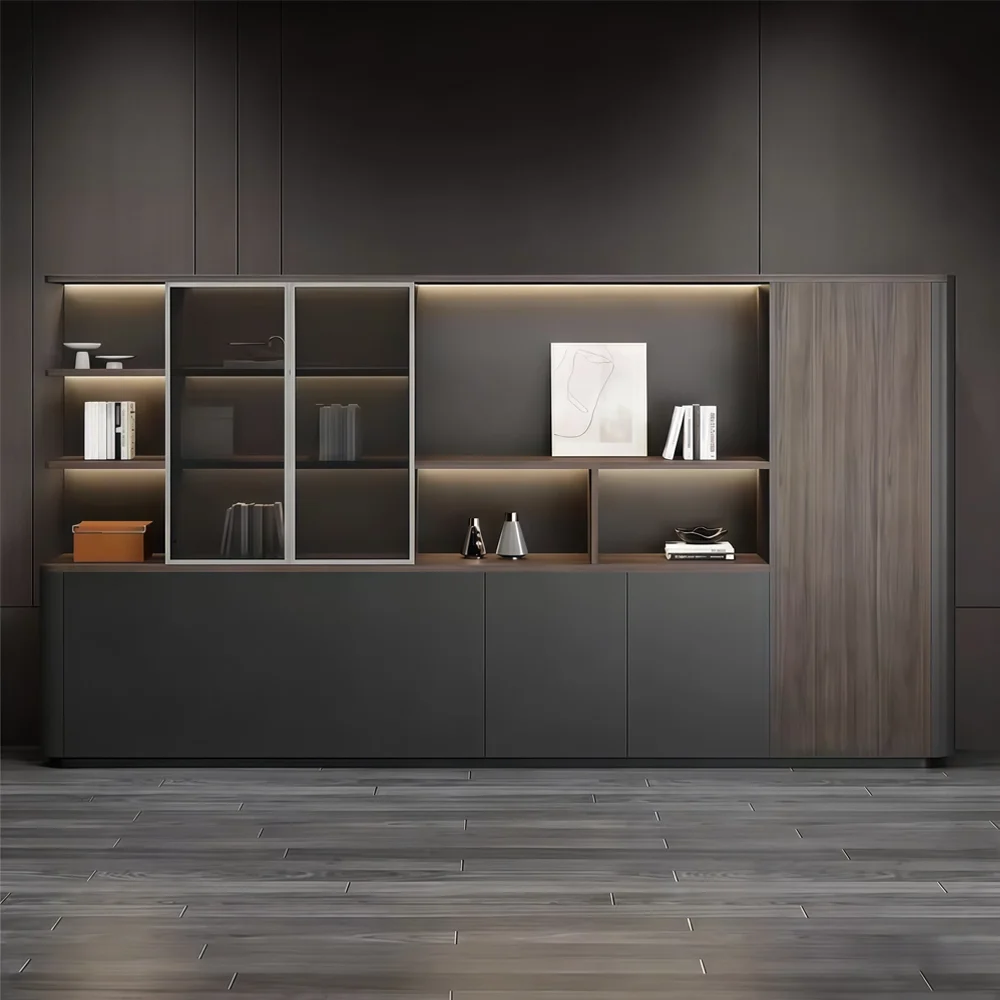
Not everything belongs in a file drawer. Offices also need places for binders, supplies, catalogs, equipment, décor, awards, books, samples, and shared materials. For these items, storage cabinets and bookcases may be a better choice than standard file cabinets.
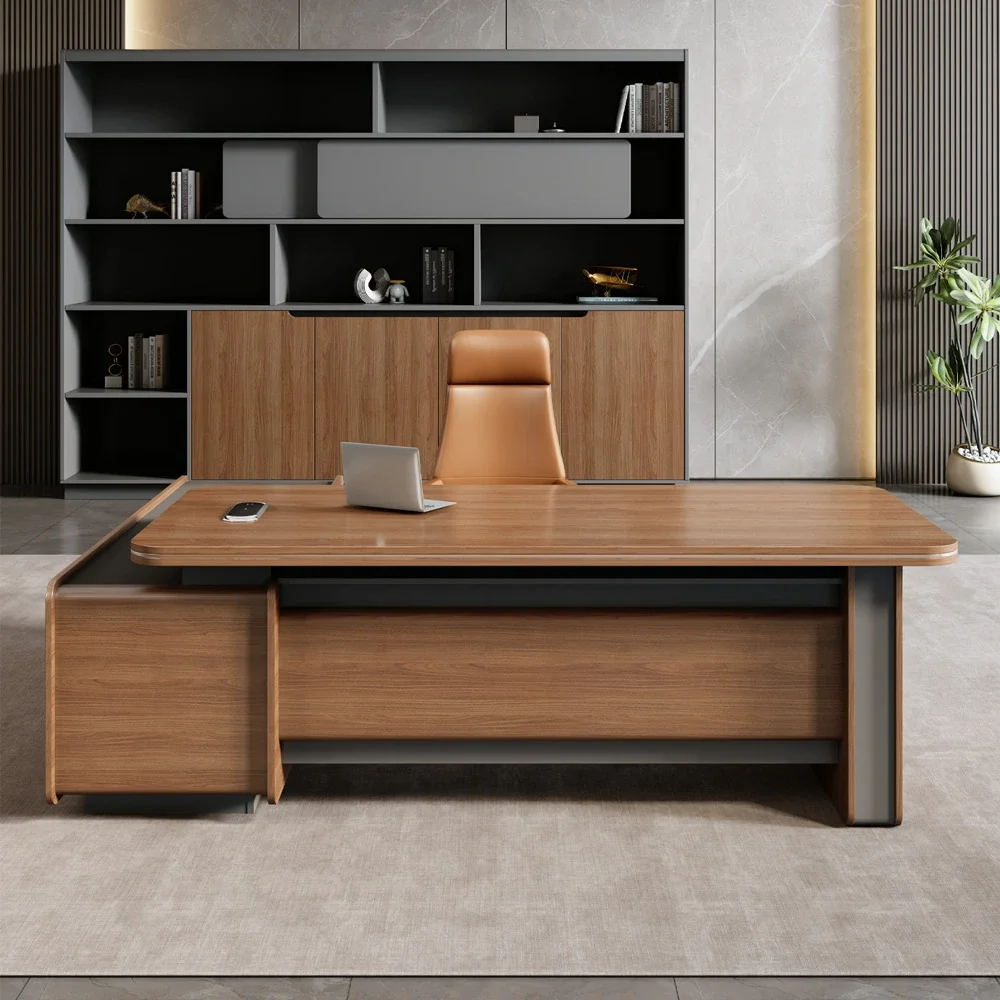
Storage cabinets are useful when you want to hide supplies and keep the room visually clean. Bookcases are useful when you want accessible storage and a more open, finished office look. In executive offices, bookcases can also help the room feel more established and professional.
6. Think About Stability and Safety
Storage furniture should be practical, but it also needs to be placed and used safely. Tall cabinets, bookcases, and heavy storage pieces can become unsafe if they are overloaded, placed on uneven flooring, or used in a way that encourages tipping.
The U.S. Consumer Product Safety Commission recommends anchoring furniture such as bookcases and dressers securely to the wall and storing heavier items on lower shelves or in lower drawers to help reduce tip-over risk. You can review their guidance here: CPSC Anchor It.
Storage Safety Tip
Place heavier items lower, avoid overloading upper shelves, make sure drawers can open without blocking walkways, and consider wall anchoring for tall bookcases or storage cabinets.
Common Office Storage Mistakes to Avoid
Buying Too Little Storage
A cabinet that only solves today’s clutter may become full too quickly as documents and supplies grow.
Ignoring File Size
Check whether you need letter-size files, legal-size files, binders, folders, or mixed storage before buying.
No Locking Option
Sensitive documents should not be left in open shelves, unlocked drawers, or visible desk piles.
Forgetting Drawer Clearance
A file cabinet needs enough room for drawers to open fully without blocking chairs, doors, or walkways.
Office Storage Buying Checklist
Use this checklist before choosing your office storage:
Create a Cleaner, More Organized Office
The right office storage can make your workspace feel calmer, cleaner, and more professional. Start with what you need to store, then choose the cabinet type, lock option, size, mobility, and finish that fits your daily work.
Browse Maoters file cabinets, storage cabinets, bookcases, and executive file cabinets for modern offices, home offices, and commercial workspaces.
FAQ
What type of file cabinet is best for a small office?
A vertical file cabinet or mobile file cabinet is often best for a small office because it provides document storage without taking up too much wall or floor space.
Is a lateral or vertical file cabinet better?
A vertical file cabinet is better for narrow spaces. A lateral file cabinet is better when you have wider wall space and want broader drawer access for larger file collections.
Do I need a locking file cabinet?
A locking file cabinet is useful if you store sensitive documents, client records, employee files, financial paperwork, legal documents, or personal items in a shared or public-facing workspace.
What is the difference between a file cabinet and a storage cabinet?
A file cabinet is designed mainly for documents and folders. A storage cabinet is better for mixed office items such as supplies, binders, equipment, inventory, and larger materials.
Are bookcases useful for office storage?
Yes. Bookcases are useful for books, binders, display items, décor, awards, catalogs, and office materials that should stay visible and easy to access.
How do I keep office storage from looking messy?
Group similar items together, keep daily-use items close, store rarely used items away from the main desk area, use locking or closed cabinets for private materials, and avoid using open shelves for random paperwork.
Recommended for you
Was this article helpful?
Your feedback helps us improve.

About the author
MAOTERS Editorial Team
Ideas and practical guidance from the MAOTERS editorial team.
Related Articles
View all articles